Read more:
https://majedaltir.com/portugal-advanced-cristiano-just-raised-the-value-of-saudi-arabia/
Portugal Advanced. Cristiano Just Raised the Value of Saudi Arabia.
Portugal Advanced. Cristiano Just Raised the Value of Saudi Arabia.
A brand, in this case, is not a logo or a sponsorship line. It is an asset that carries value and visibility through a connected system, differentiating identity from competitors while allowing attention and equity to move from one person to a club, from a club to a league, and from a league to a country. One match ended on the scoreboard inside the stadium. A second scoreboard, invisible and far larger, moved at the same moment.
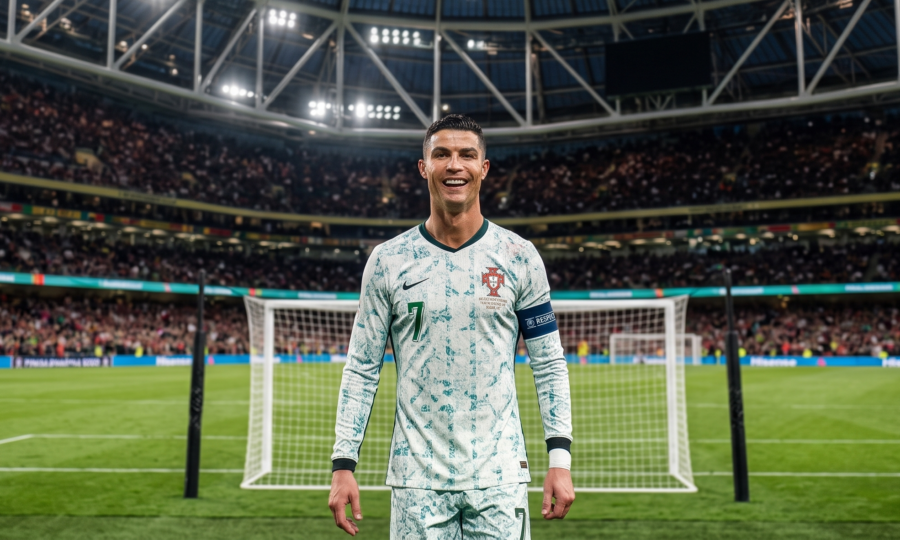
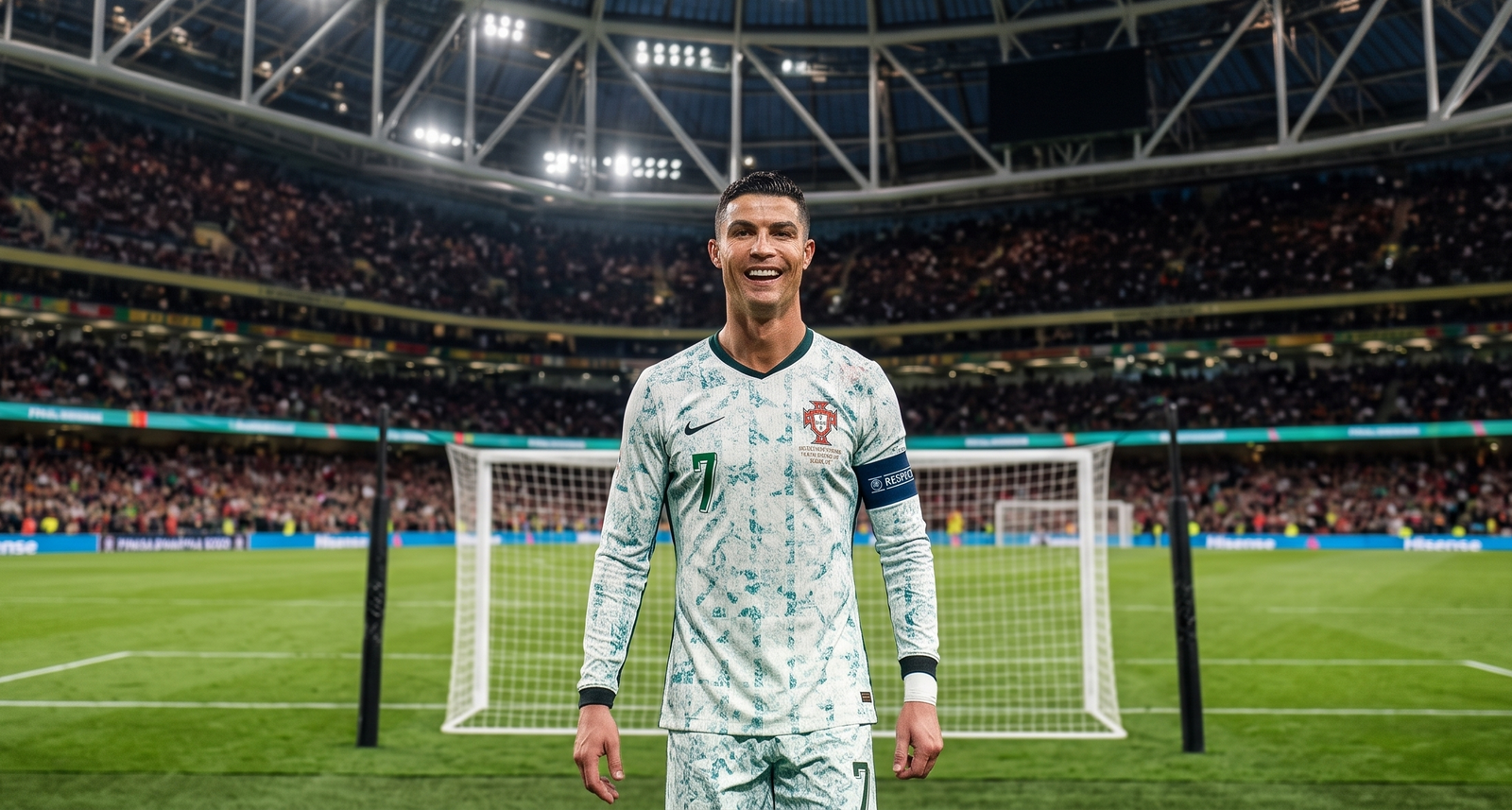
On it, the value of a club, a league, and an entire country rose together, in the same direction, driven by the same man. Cristiano Ronaldo did not only push Portugal through. He pushed a chain that runs straight through Riyadh. For leaders, marketers, strategists, and anyone trying to understand how brand value is built, borrowed, managed, and scaled, that chain explains the media logic behind sports acquisitions, the difference between brand identity and brand equity, the reverse flow of value across players, clubs, leagues, and nations, and the role of reputation management in turning visibility into market position. It also shows why brand strategy now reaches beyond sport into customer loyalty, national image, trade, tourism, investment, and cultural soft power.
One Match Ended. Four Values of Brand Equity Moved.
Watch the night as a football result and it is a national team surviving a hard draw. Watch it as a value transfer and it becomes something else entirely, because a brand distinguishes a company’s identity among competitors, and even a company name helps signal that identity in a crowded market.
Four assets sit in a single chain. Ronaldo the individual. Al Nassr, the club that holds his contract. The Saudi Pro League that hosts the club. And Saudi Arabia, the name behind the league. When the man at the top of that chain performs on the largest stage in sport, the value does not stay with him. It travels down the line, and that is what brand marketing is designed to do: create a unique identity through brand identity that moves across Ronaldo, Al Nassr, the league, and the country. Every broadcast that carries his name carries his club. Every mention of the club carries the league. Every reference to the league carries the country.
One performance. Four beneficiaries. That is not sponsorship. That is transmission. Brand identity includes elements like name, logo, and design, while brand equity is the commercial value of a brand’s reputation. A strong brand identity helps differentiate from competitors, and strong brand equity increases customer loyalty, sales, and market share.
The Value Flowed Upward, Which Is Not How This Usually Works
The direction is the part worth studying. In the conventional model, value flows from the top down. A country builds a reputation, the reputation lends credibility to its league, the league elevates its clubs, and the clubs raise their players. Prestige descends, but brand awareness also shapes purchase and decision making, which is why value transfer matters beyond visibility alone.
Tonight ran the other way. The player elevated the club. The club elevated the league. The league lifted the national name. Value climbed from a single individual upward through the system, one level at a time.
This inversion matters because leaders can develop it strategically. Strong brands help companies launch new offers more successfully, extend trust into other products, and sustain higher prices. A country cannot manufacture a century of footballing heritage overnight. It can acquire the one asset capable of carrying its name into every living room on earth, and let the value climb from there.
A nation cannot buy a hundred years of heritage. It can acquire the one asset that makes the world look, and build everything else while it watches. Repeated visibility also builds loyalty that filters choices and shortens decision making. For lower-priced routine purchases, that loyalty is often habit-based.
Al Nassr Did Not Sign a Player. It Acquired a Corporate Branding Broadcast.
Reduce the move to a transfer fee and a salary and the logic looks expensive. Read it as media strategy and it looks precise, with the signing amplifying the company’s brand and sharpening its brand message.
A traditional advertising campaign rents attention for a fixed window, in chosen markets, at a rising price. Ronaldo is not a campaign. He is a permanent channel. Effective brand marketing connects emotionally with consumers and builds customer trust through repeated exposure, and that trust deepens when the visibility created by a star is matched by actual experience of the brand’s products. He carries his club into communication channels no marketing budget can reliably buy, across territories and target audience groups no single campaign can efficiently reach, for as long as he keeps performing. The cost is large. The alternative, buying the same global, sustained, credible attention through paid media, would cost far more and persuade far less. A stronger brand image can improve retention, drive repeat purchases, support premium pricing, and even lift demand for related services. That attention advantage is harder for many other brands to replicate through paid reach alone, especially when loyalty is often habit-based for lower-priced routine purchases.
Al Nassr did not add a name to a roster. It secured distribution. The football is real, and it matters. But the deeper asset is the guaranteed, worldwide, recurring visibility that travels with the man wherever the game takes him, including a World Cup night against Croatia. That broadcast effect can also lift commercial demand.
Soft Power Is Infrastructure, Not Entertainment
Here the story leaves sport and enters strategy. Nations have always understood that culture and sport shape how the world sees them. What has changed is the ambition to treat that influence as infrastructure, built on purpose, rather than as a happy accident of talent. As an example, technology brands show how influence works the same way beyond entertainment: several major brands dominate the technology industry as of 2026, and their position in the global market rests on running essential infrastructure such as cloud computing and AI training systems. Nvidia is widely seen as the backbone of the global AI and data center boom, while Google has cemented its role as a trailblazer in AI innovation. Microsoft leads in enterprise solutions and workplace tools, Apple is defined by user experience and premium design in consumer electronics, Adobe sets the standard in creative software, and Samsung stands apart with AI-enhanced consumer gadgets and appliances. At the consumer level, Coca-Cola shows how repetition and recognition can make a name feel almost infrastructural in culture.
A stadium full on a European night. A league discussed on every continent. A name repeated in a dozen languages inside a single broadcast. These are not decorations on an economy. They are entries into conversations that trade, tourism, and investment eventually follow. Attention is the first currency. A visual cue like the Nike swoosh can speed that recognition before a word is even read. Everything else is priced in it later.
Seen this way, the sporting investment is not a splurge. It is a positioning decision, executed through the most watched human activity on the planet, aimed at an audience no ministry could assemble by any other means. The same approach can also serve different entities operating under one parent when they want a unified market-facing image. That logic also shapes corporate and national public image, especially when 64% of consumers say a company’s social responsibility efforts affect how they judge its standing.
Borrowed Value and Reputation Management Expose Whatever It Touches
None of this works on its own, and honesty about the limits is what separates analysis from advertising.
Borrowed value is a spotlight, not a coat of paint. It reveals what is already there. Companies that invest in reputation work are usually better prepared when a crisis emerges, and a proactive approach makes them better able to spot and address risks early. When a global figure turns the world’s eyes toward a club, a league, or a country, the attention lands on whatever stands behind the name. If the substance is ready, the light compounds it. If the substance is thin, the same light exposes the gap faster than any critic could. In those moments, the potential damage to perception can be immediate, and a reputation crisis demands effective crisis communication, backed by a clear crisis communication plan, to help teams communicate effectively, keep control, and limit damage when crisis hits.
The player can make the world look. He cannot decide what it sees. That responsibility sits with everything built behind him: the quality of the league, the experience of the stadiums, the depth of the local game, the seriousness of the strategy the visibility is meant to serve, and the monitoring tools and communication strategies used to track media coverage and spot potential issues or potential crises early. It also depends on employees and key stakeholders maintaining consistent messaging, especially when bad news tests consumer trust. A star can open the door. Only the system can keep the guest in the room.
A star makes the world look. Only the system decides what the world sees. That means managing corporate reputation through public relations, taking responsibility early, and acting with corrective actions that protect what can be legally protected. It also means real crisis management, including post crisis analysis, because maintaining trust after a shock matters as much as the first response. Social listening tools make that work more proactive. A single negative experience or poor service interaction can push people away, especially in a market where 75% of US customers tried different brands during COVID-19. Attention is borrowed. Substance is not.
This is why tonight is a beginning, not a conclusion. The signal has been sent. Whether it compounds depends on the far less glamorous work happening off camera. That scrutiny can intensify when multiple entities from the same company are involved, because problems in one area can affect perceptions elsewhere.
The Lesson for Brand Image Travels Far Beyond Football
Strip away the sport and the principle applies to any brand, any institution, any leader.
To make that work, businesses must identify a target market and create a successful brand identity with a clear brand’s personality and focus. Acquire the asset that carries you into rooms you could never buy your way into. Understand that its value does not stay with the asset, it flows through everything attached to it. Modern loyalty is driven by emotional connection, clear values, and a seamless customer experience. And prepare the system to receive the attention before it arrives, because borrowed visibility magnifies readiness and unreadiness at exactly the same speed. Loyal customers often choose a brand over competitors, resist aggressive rival marketing, and anticipate new releases from trusted names.
Portugal advanced past Croatia. Cristiano Ronaldo will take the headlines, as he always does. But the more instructive scoreboard is the invisible one, where a club, a league, and a country rose together on a single night. The world watched a football match. A few people watched a value chain do precisely what it was designed to do. Consumers and customers stay loyal to companies that share their personal or social values. Gen Z and millennials are especially likely to feel loyal to at least one brand.
About the Author
Majed Altir is a strategic marketing and communications leader with over fifteen years of experience across Saudi Arabia and the GCC. His work spans banking, media, technology, government, destination marketing, culture, entertainment, and sports. He leads complex, large-scale campaigns and initiatives that have reached consumers, investors, industry leaders, organizations, and decision-makers across global markets.
A recipient of 8 Communication and Campaign Awards earned across multiple teams and sectors, he writes the Cross-Sector Thinking series: perspectives on marketing, communications, strategy, branding, and change for leaders who would rather shape markets than follow them.